How Weather and Light Shape a Fishing Journey
The same lake can feel like a different place depending on the hour and the sky. This explainer looks at how changing conditions affect the mood and rhythm of your trips.
A World That Keeps Changing
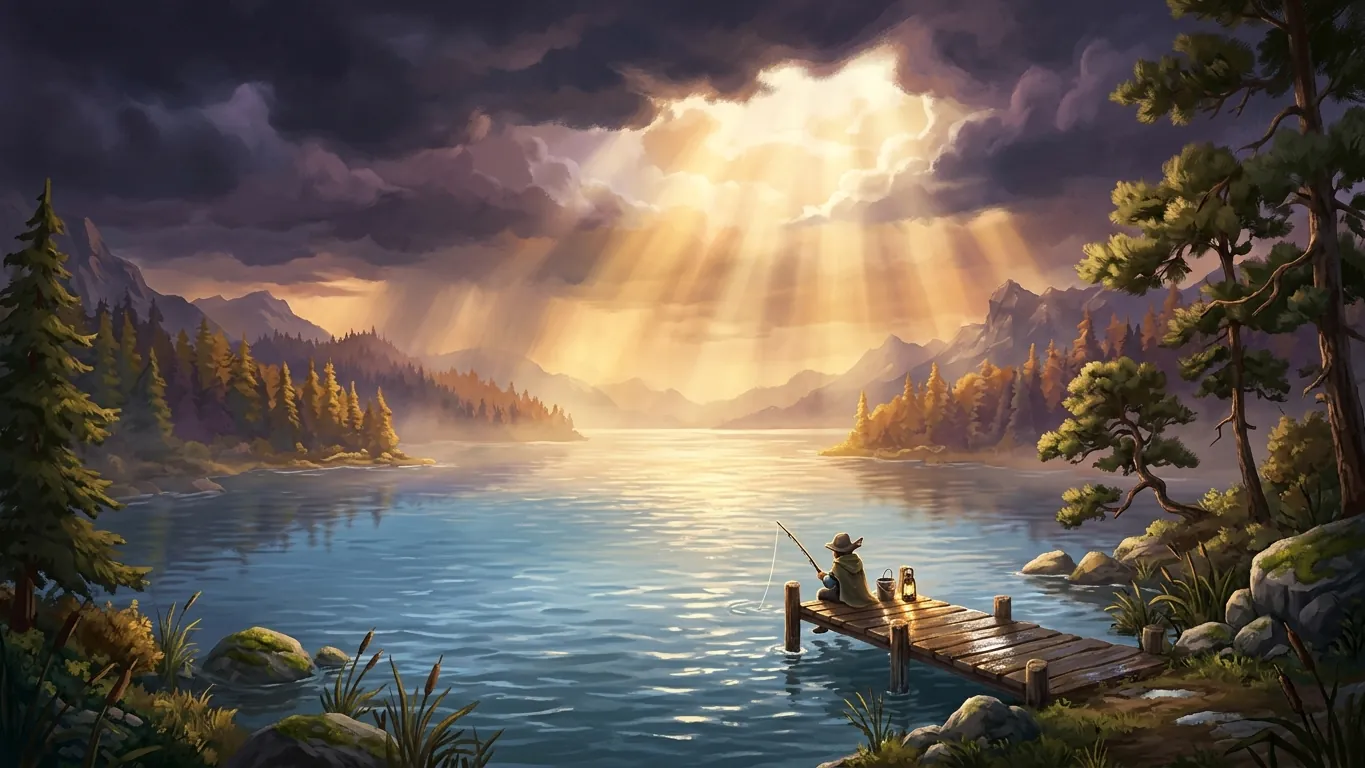
One of the things that makes a nature game feel alive is that it does not stand still. Time passes, the sun moves, clouds gather and clear. For a traveller, these changes are not background details; they are part of the journey. A shoreline you walked in bright sunshine can feel mysterious under fog, and a quiet bay can feel dramatic as a storm rolls in.
In fishing, conditions are often discussed in terms of how they affect fish. That matters, and the game has its own systems you will learn through play. But this article focuses on something slightly different: how weather and light shape your experience as an explorer, and how you can use them to make trips more memorable.
Early Morning on the Water
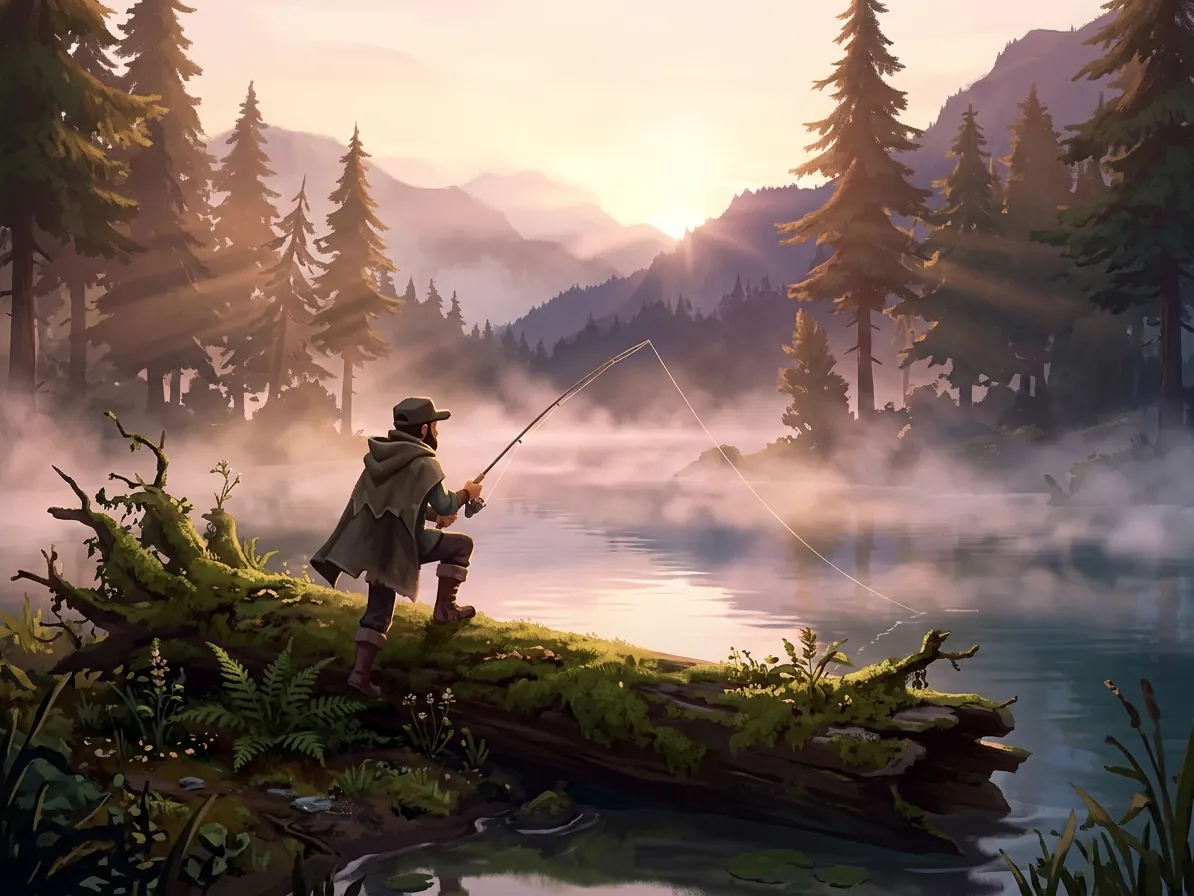
There is a special quality to the start of the day. Light arrives slowly, colours are soft, and water often looks glassy and still. Mist may rise from lakes and rivers, softening the edges of the landscape. For many players, this is the most peaceful time to be out.
Mornings are ideal for quiet trips. Choose a sheltered lake or a slow river and simply watch the world wake up. It is a good time to try a spot you have been curious about, because the gentle light makes everything feel fresh. If you enjoy screenshots, early hours often reward you with pastel skies and long, soft shadows.
Midday Clarity
As the sun climbs, the landscape becomes sharp and clear. Colours are stronger, and you can see further across valleys and lakes. This is a great time for exploring on foot, climbing to viewpoints and studying the shape of water from above. Bright light makes it easier to see colour changes in the water that hint at depth and structure.
Midday can feel less atmospheric than morning or evening, but it is excellent for practical travel. Use it to scout new areas, plan a route for later in the day or reach a distant destination before the light starts to fade.
Evening and Night
Evening is when many places look their best. Warm, low light picks out ridges and treetops, and the water reflects golden and violet tones. It is a natural time to settle in at a favourite spot and watch the day end. Blue hour, the short period just after sunset, can turn a familiar lake into something almost dreamlike.
Night brings a different mood again. Darkness narrows your world to the water in front of you and the sounds around you. Some players love the stillness of fishing after dark, while others prefer to wrap up a session at sunset. Either way, it is worth experiencing at least once, simply to see how the landscape changes.
Rain, Wind and Cloud
Weather adds variety and sometimes challenge. Overcast skies flatten shadows and give the landscape a moody, muted tone that suits quiet forest rivers. Rain brings movement to the water surface and a soft, steady sound that many players find calming. Wind can ruffle a lake into small waves and make an exposed shoreline feel wild.
Rather than waiting for perfect conditions, try leaning into whatever the sky offers. A rainy afternoon might be the ideal time for a sheltered creek, while a windy day could be a chance to explore a protected bay. Changing weather keeps each trip distinct, and over time you will build memories tied to specific conditions: the misty morning on the high lake, the storm that rolled in over the river.
Paying attention to weather and light is ultimately a way of paying attention to place. The more you notice, the more each journey feels like a real visit to a living world.
Related articles
 Keeping a Travel Journal for Your Angler Trips
Turn your sessions in Call of the Wild: The Angler into lasting memories with a simple travel journal, screenshot postcards and personal notes.
Read more
 Why Virtual Fishing Feels Like Real Travel
An opinion piece on why slow, exploratory fishing in Call of the Wild: The Angler can feel surprisingly close to the experience of real travel.
Read more
 Planning a Multi-Session Fishing Route
Plan a fishing journey across several sessions in Call of the Wild: The Angler, with themes, step-by-step routes, gear ideas and room for detours.
Read more