Why Virtual Fishing Feels Like Real Travel
Fishing games are often seen as quiet hobbies, but they can capture something close to the feeling of a real journey. In this opinion piece, we reflect on why.
The Pace Is the Point
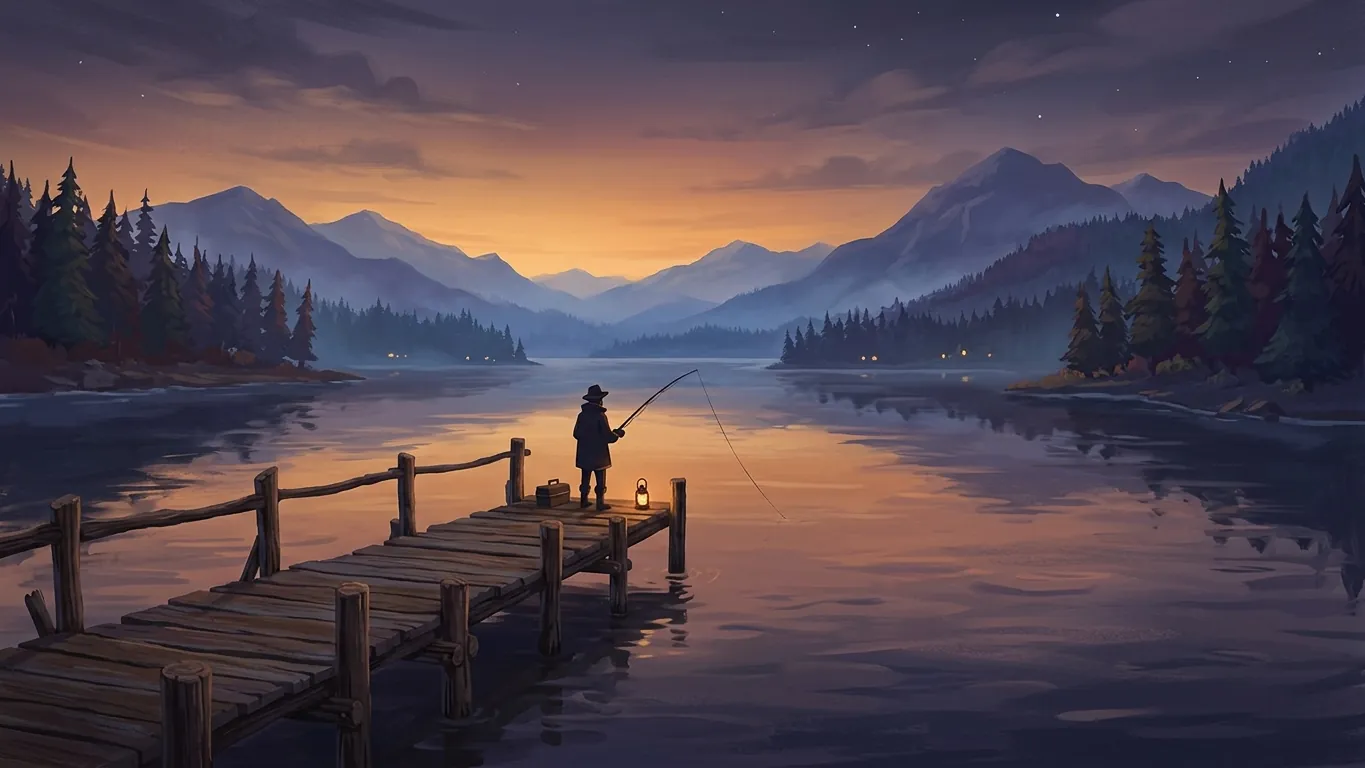
Most games move quickly. They reward fast reactions, constant progress and clear goals. Fishing in Call of the Wild: The Angler can work very differently, especially if you choose to play it slowly. You walk to the water, cast, and wait. Nothing pushes you forward except your own curiosity.
That slower pace is what makes it feel like travel to me. Real journeys are often made of waiting: on trains, at viewpoints, by rivers. The memorable moments come out of that stillness. When a game allows you to sit with a landscape instead of rushing through it, it starts to feel less like a challenge and more like a place you are visiting.
Places Remembered by Their Water
When you travel, you often remember places by small, specific details: the colour of a lake, the sound of a stream outside a window, a bridge where you stopped to look down. Fishing in a game gives you a similar kind of attention. You spend time looking at water closely, noticing its surface, depth and movement.
Over time, you begin to remember the game world not as a map of markers but as a collection of waters, each with its own personality. There is the quiet pond where you first felt comfortable, the fast river where you always lose track of time, the wide lake that looks different every evening. That is exactly how memories of real trips tend to work.
Patience as a Kind of Attention
Patience in fishing is usually described as a virtue you need to catch fish. I think it is also a way of seeing. When you wait for a bite, your attention drifts outward: to the wind in the trees, the shift in light, the birds crossing the sky. You start to notice the world rather than just using it.
This is close to how many people describe the best moments of real travel. It is not the photo at the famous landmark that stays with you, but the quiet hour on a bench watching life go by. A slow fishing session can offer a small, digital version of that feeling, which is a big part of why this blog exists.
The Limits of the Comparison
Of course, a game is not the same as a real journey. You cannot feel the cold of the water or smell the pine forest. There is no real risk, no real fatigue, and the landscape is designed rather than wild. It would be unfair to pretend otherwise.
But the comparison does not need to be perfect to be meaningful. Virtual travel can be a way to relax, to enjoy beautiful scenery when real travel is not possible, or simply to spend an evening somewhere peaceful. For some players, it might even spark an interest in exploring real rivers and lakes. If that happens, it is always worth learning about local rules and safety from qualified, local sources before heading out.
An Invitation to Slow Down
If you usually play fishing games with a focus on progress, try one session differently. Pick a place you have never visited, walk or row there slowly, and stay until the light changes. Do not worry about what you catch. Pay attention to how the trip feels.
You may find that the journey becomes the part you remember. That, to me, is the heart of fishing as virtual travel: not a list of achievements, but a series of quiet places you came to know by spending time with them. If you have your own thoughts on this, I would be glad to hear them through the contact form.
Related articles
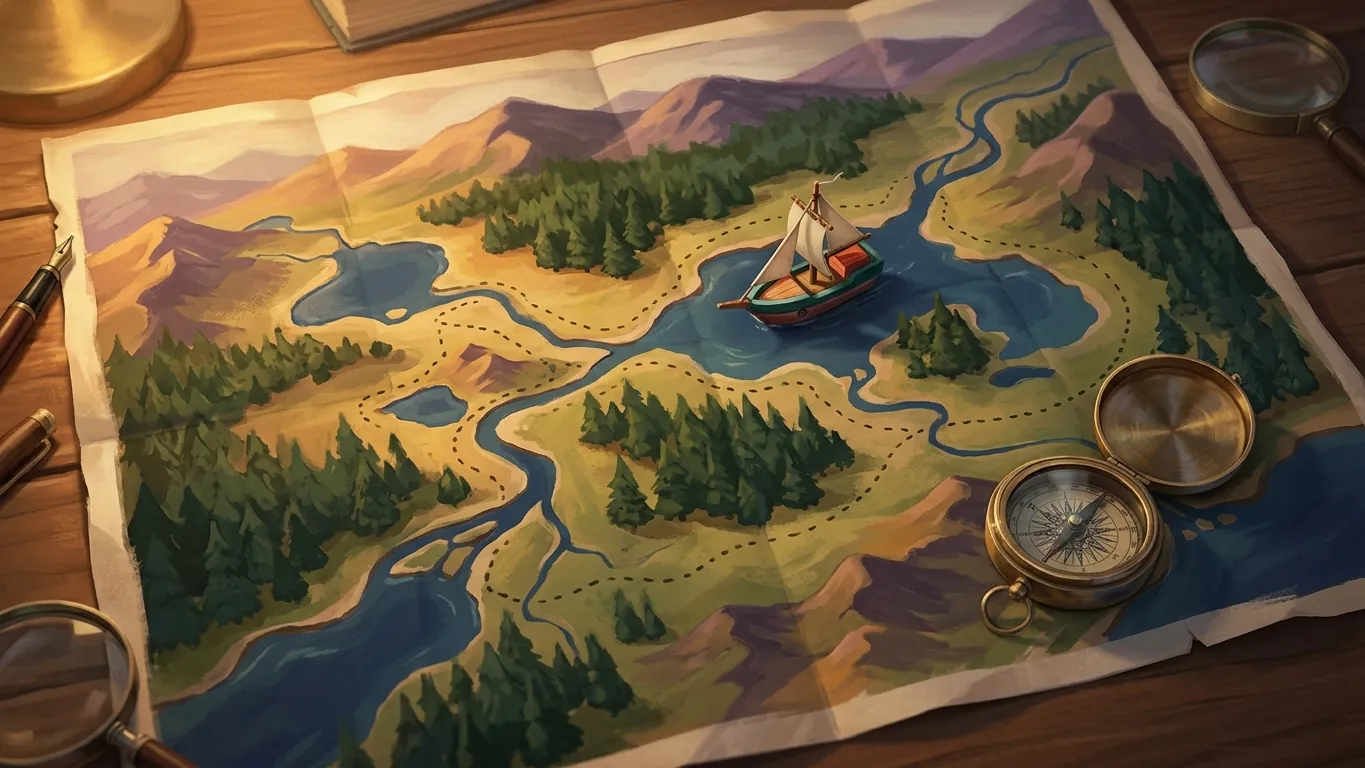 Planning a Multi-Session Fishing Route
Plan a fishing journey across several sessions in Call of the Wild: The Angler, with themes, step-by-step routes, gear ideas and room for detours.
Read more
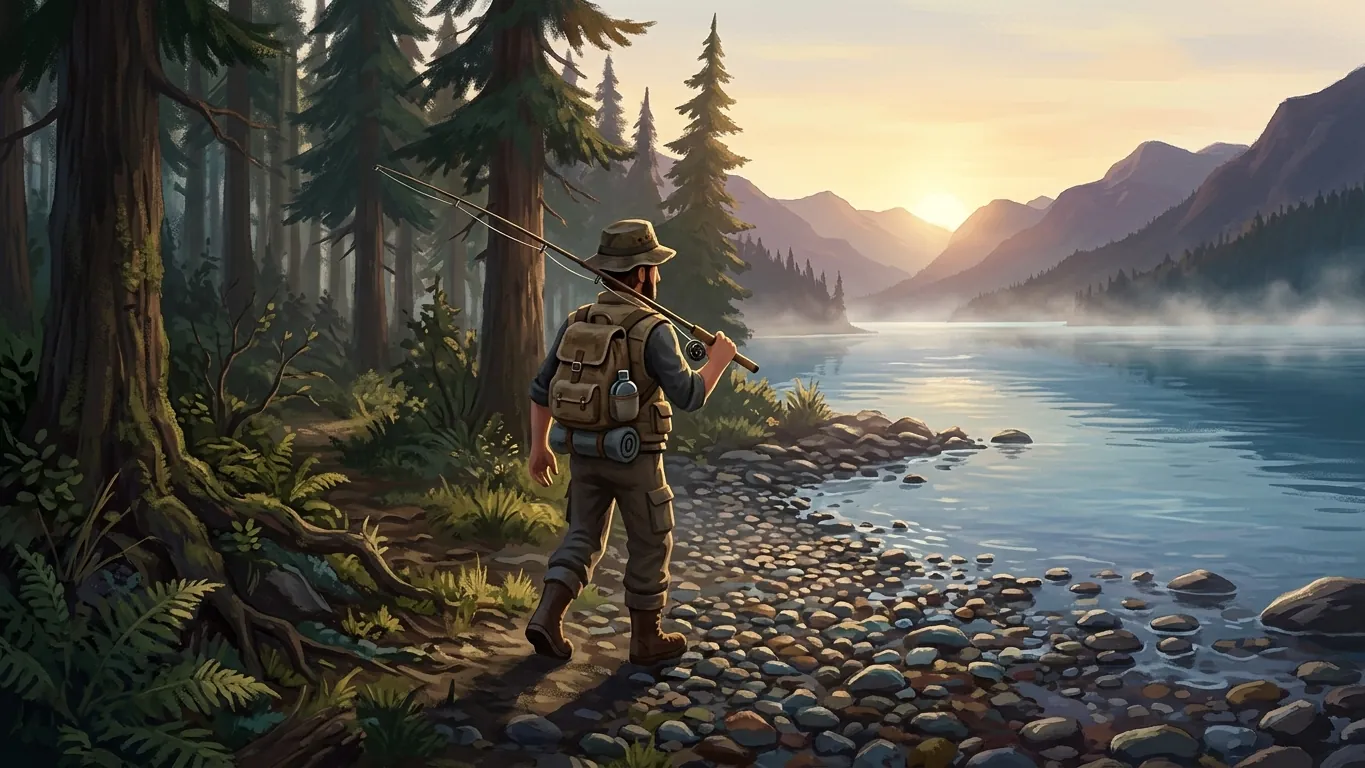 Your First Trip as a Traveling Angler
New to Call of the Wild: The Angler? Learn how to approach your first session as a relaxed journey, from basic rhythm to reading the map.
Read more
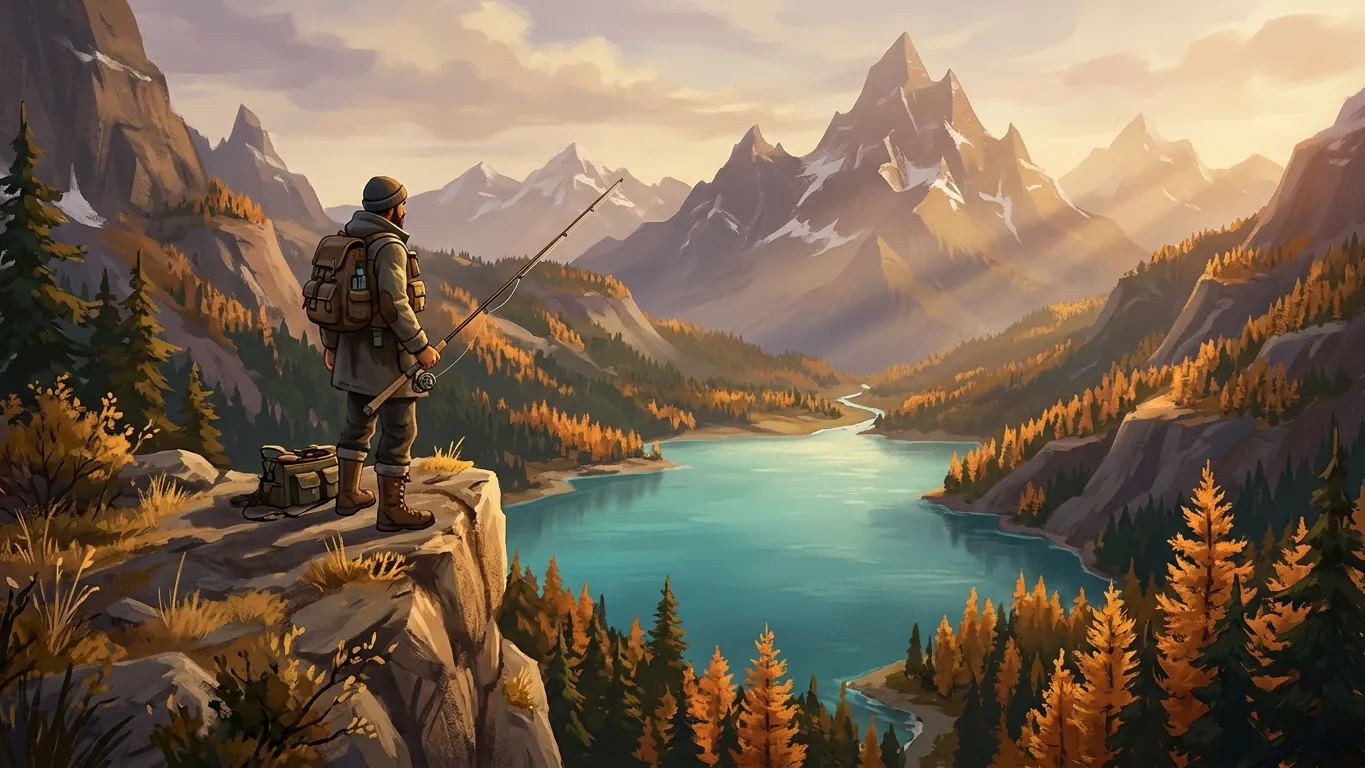 How to Find Scenic Fishing Spots
Practical ideas for finding beautiful, peaceful fishing spots in Call of the Wild: The Angler, from following water downhill to climbing for views.
Read more