Your First Trip as a Traveling Angler
Your first session in Call of the Wild: The Angler does not need to be about catching as much as possible. This guide shows you how to treat it as the opening chapter of a longer journey.
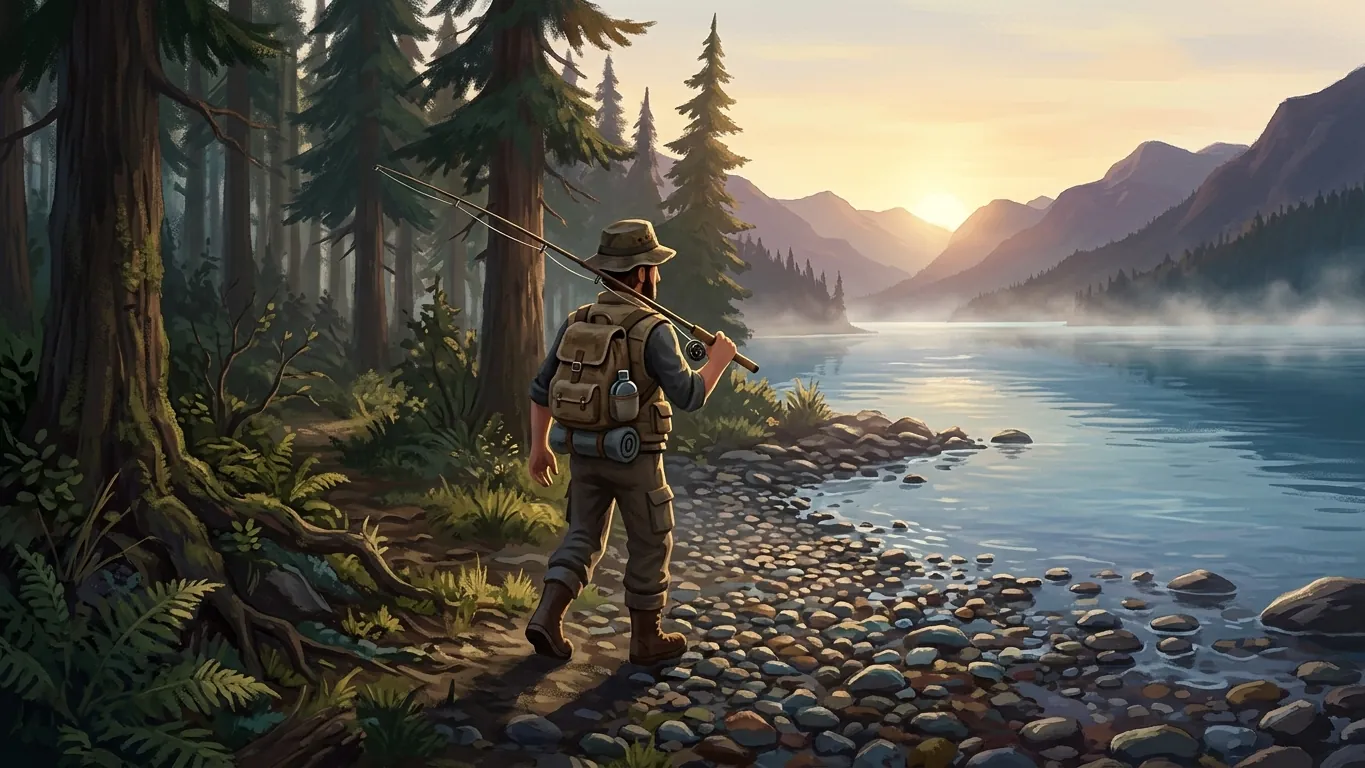
Arrive Without a Checklist
When you first load into an open world, it is tempting to open the map, scan every marker and start ticking things off. In a game built around fishing and nature, that approach can make the experience feel like a to-do list. Try something different on your first trip: arrive without a plan beyond finding water and spending some time beside it.
Look around before you move. Notice the shape of the land, which way the slopes fall, where the trees thin out, and whether you can hear water nearby. These small observations are the beginning of the travel mindset this blog is built around. You are not just a player starting a game; you are a visitor arriving in a new landscape.
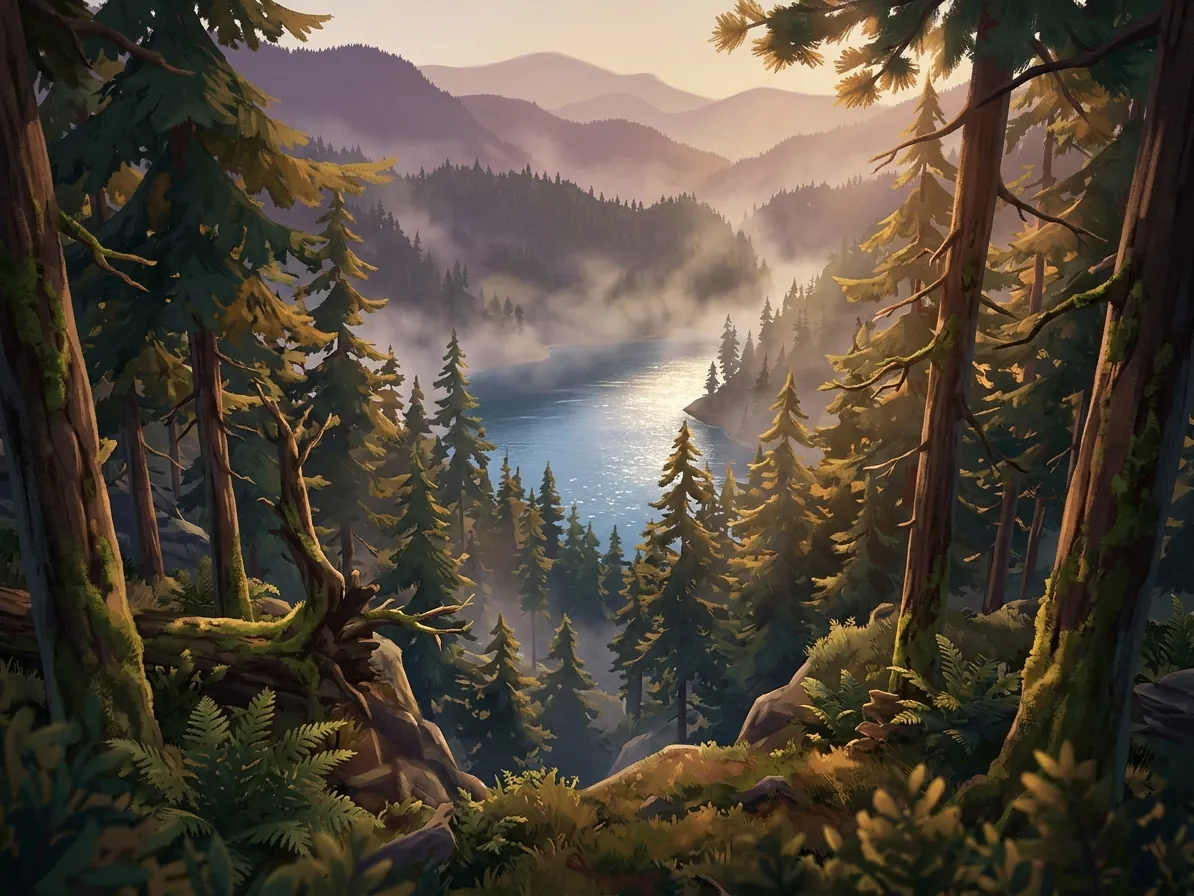
Learn the Basic Rhythm of Fishing
Before you travel far, it helps to get comfortable with the core loop: casting, waiting, noticing a bite, and bringing a fish in without rushing. Take a few casts from a spot that is easy to reach and pay attention to how your line behaves. The game asks you to manage tension and timing, and those skills feel much more natural after a little calm practice.
Do not worry if the first few attempts go wrong. A lost fish on your first evening is part of the story, not a failure. The goal right now is to understand how your gear responds so that later, when you are standing at a scenic spot you walked a long way to find, you can focus on the moment rather than the controls. If anything feels unclear, the game's own tutorials and help screens are the most reliable place to check how a mechanic works.
Let the Map Be an Invitation
Once you feel settled, open the map and look at it the way a traveller looks at a paper map before a road trip. Instead of searching for the nearest objective, trace the blue lines and shapes. Where does a river leave a lake? Where do two streams meet? Is there a long, narrow bay that might be sheltered from the wind?
Pick one place that simply looks interesting and make that your destination. It might be a small pond high on a hillside or a wide bend in a river. The reason does not matter much. What matters is that you are choosing a direction based on curiosity, which turns the journey itself into part of the reward.
A Gentle Plan for Your First Evening
If you like a little structure, here is a relaxed outline for your opening session.
- 01
Fish close to where you start
Spend some time at the nearest water to learn casting and reeling without pressure.
- 02
Choose one destination on the map
Pick a lake, pond or river bend that catches your eye and set it as your goal.
- 03
Travel slowly and look around
Walk or row at an easy pace, stopping whenever the view or the water invites you.
- 04
Fish your destination until dusk
Settle in, try a few spots along the shore and watch how the light changes as evening arrives.
Accept the Empty Hours
Some of your time in the game will be quiet. The line sits still, the water ripples, birds pass overhead and nothing happens for a while. For some players this feels slow. For a traveller, it is the point. These are the moments when you notice the colour of the sky, the sound of the wind or a distant ridge you want to visit next time.
If waiting starts to feel frustrating, change something small: move a few steps along the shore, try a different depth, or simply put the rod down and walk to the next viewpoint. Your first trip is about building a relationship with the landscape. The catches will come with practice, and the places you discover along the way are what will bring you back.
Related articles
 How to Find Scenic Fishing Spots
Practical ideas for finding beautiful, peaceful fishing spots in Call of the Wild: The Angler, from following water downhill to climbing for views.
Read more
 Reading Lakes and Rivers Like a Traveler
Learn to read currents, bends, shorelines and drop-offs in Call of the Wild: The Angler and turn your observations into better fishing choices.
Read more
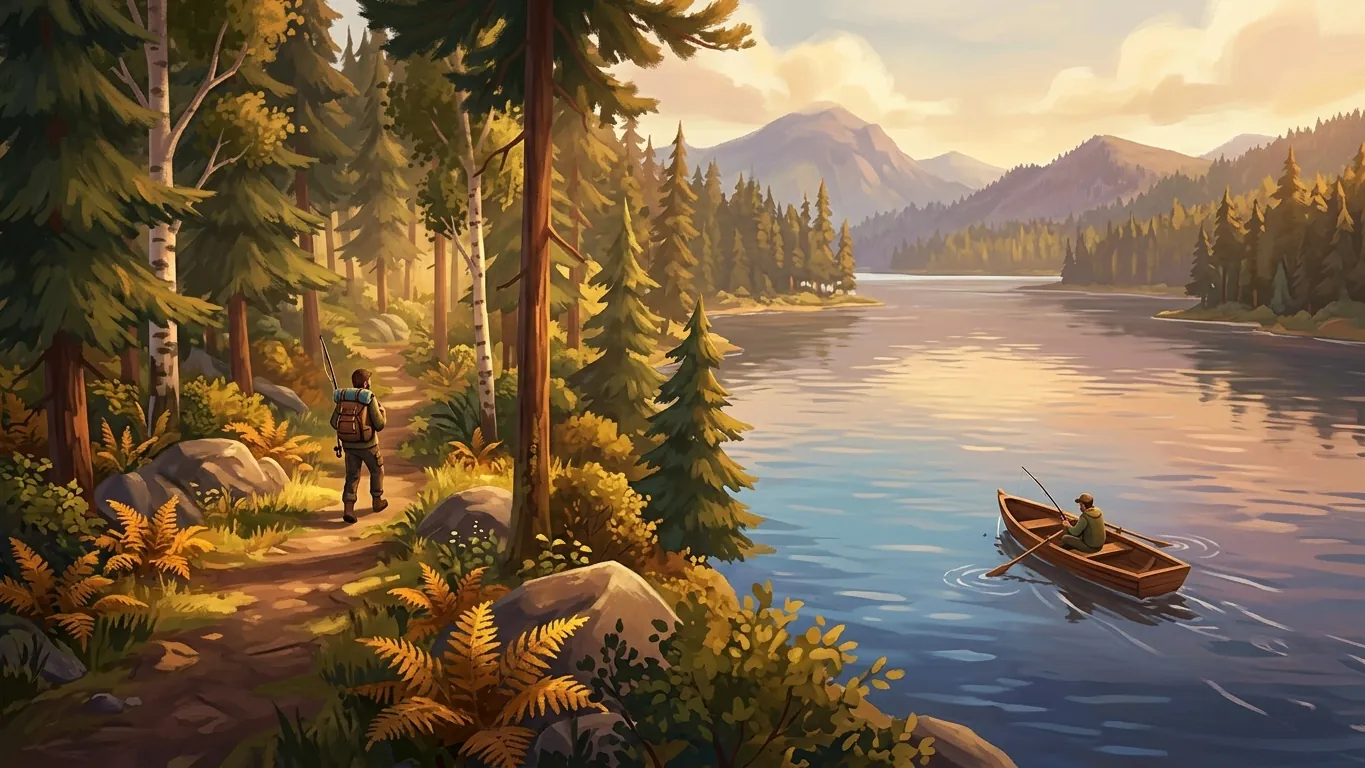 On Foot or by Boat: Two Ways to Explore
Compare exploring on foot and by boat in Call of the Wild: The Angler, and learn how mixing both can make your fishing trips feel like real journeys.
Read more