On Foot or by Boat: Two Ways to Explore
Walking and boating offer very different ways to experience the same landscape. This guide looks at what each brings to a trip and how to combine them for a richer journey.
The Case for Walking
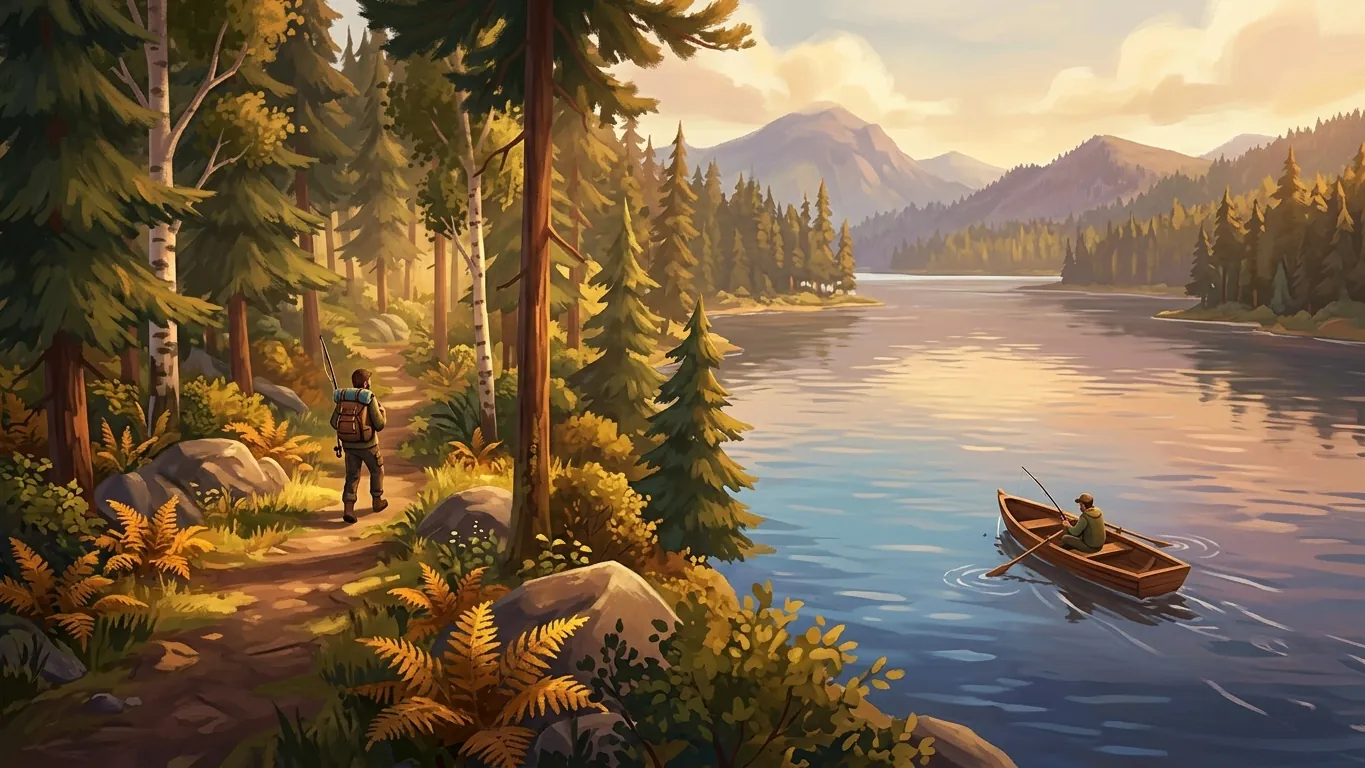
Exploring on foot is the slowest way to travel, and that is exactly why it is so rewarding. When you walk, you notice the small things: a hidden pond behind a hill, a stream crossing your path, a viewpoint just off the trail. You see how the land rises and falls between waters, and you get a real sense of distance.
Walking also gives you flexibility. You can stop at any bend, scramble down to a rocky shore or follow an unnamed creek just to see where it goes. Many of the most personal discoveries happen this way, because walking leaves room for curiosity. If you enjoy the feeling of a long hike that ends at a quiet lake, walking will likely become your favourite way to travel.
What Changes on the Water
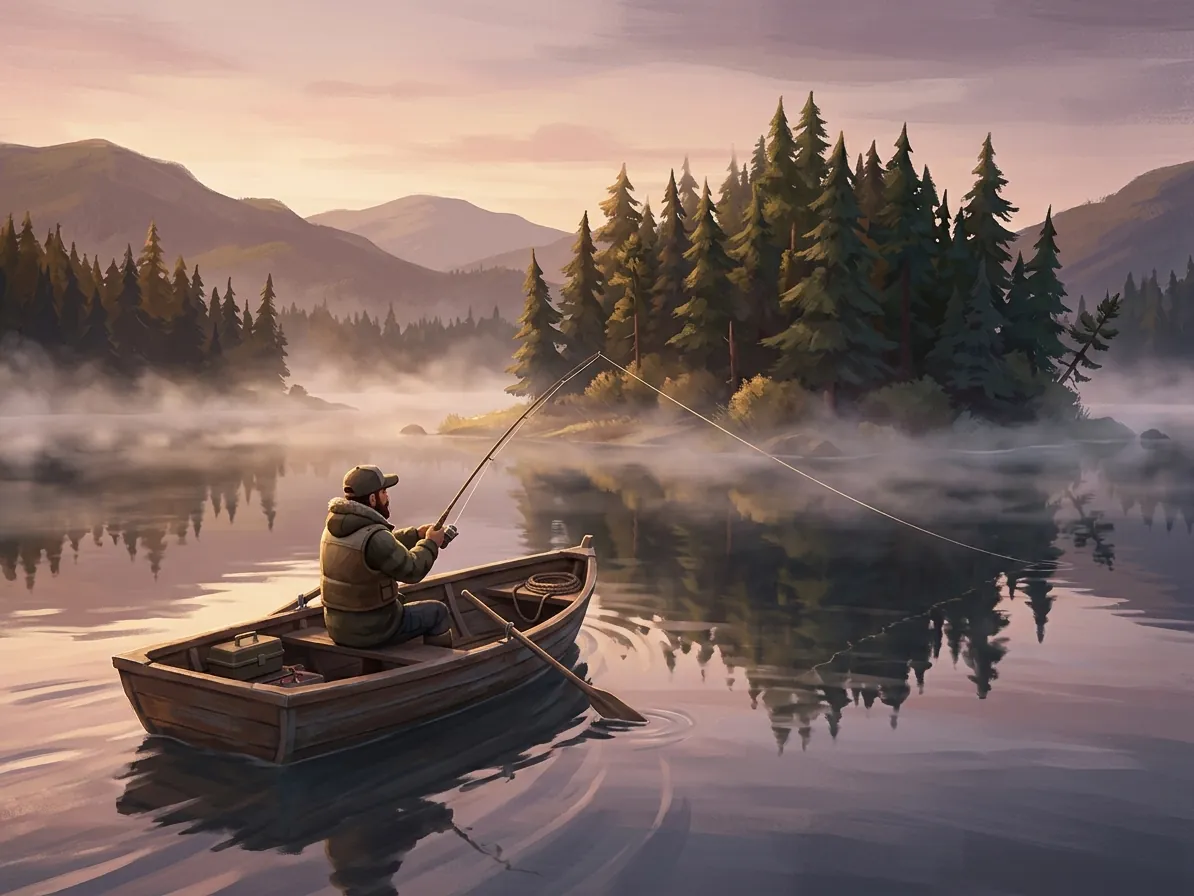
Taking a boat out changes your relationship with a lake or wide river. Suddenly the shoreline becomes the view rather than the path. You can reach islands, cross to the far side, explore bays that are hard to reach by land and fish areas that are out of casting range from the shore.
There is also a special calm to being on the water. The world opens up around you, sound carries differently, and the surrounding hills and forests feel like a frame. Drifting slowly with the rod in hand can be one of the most peaceful experiences in the game. If you have access to a boat in your session, try simply rowing or motoring along a shoreline at an easy pace, looking for spots you have never noticed from land.
Mixing Both in One Session
The most satisfying trips often combine both styles. Start on foot, following a stream from the hills down to a lake. Spend some time fishing from the shore where the stream enters. Then, if a boat is available, head out onto the lake to explore the far side or an island you spotted on the way down.
This kind of mixed trip has a natural story: descent, arrival, crossing. It mirrors the way people travel in real wild places, moving between paths and water as the landscape demands. It also keeps your session varied, so you are never doing the same thing for too long.
You can also reverse the pattern. Cross a lake by boat, land on a quiet shore and then hike uphill to find smaller waters tucked into the forest. Each direction reveals a different side of the same area.
Small Habits That Keep Travel Pleasant
A few simple habits make both kinds of travel more enjoyable. First, check your map before setting out so you have a rough idea of where water lies and how the land connects. You do not need a strict plan, just a sense of direction.
Second, pace yourself. It is easy to rush from one place to another, but pausing at viewpoints and shorelines is where much of the joy lies. Give yourself permission to stop, even when nothing is biting.
Third, think about your gear before a long walk or boat trip. Bringing a setup that suits several kinds of water means you can try different spots without heading back. The game's own menus will show you what each item does, so take a moment to check before you leave.
Finally, let the landscape guide you. If a hill looks worth climbing or a bay looks worth rowing into, follow that instinct. Whether you travel on foot, by boat or both, the best trips are the ones that leave room for something unexpected.
Related articles
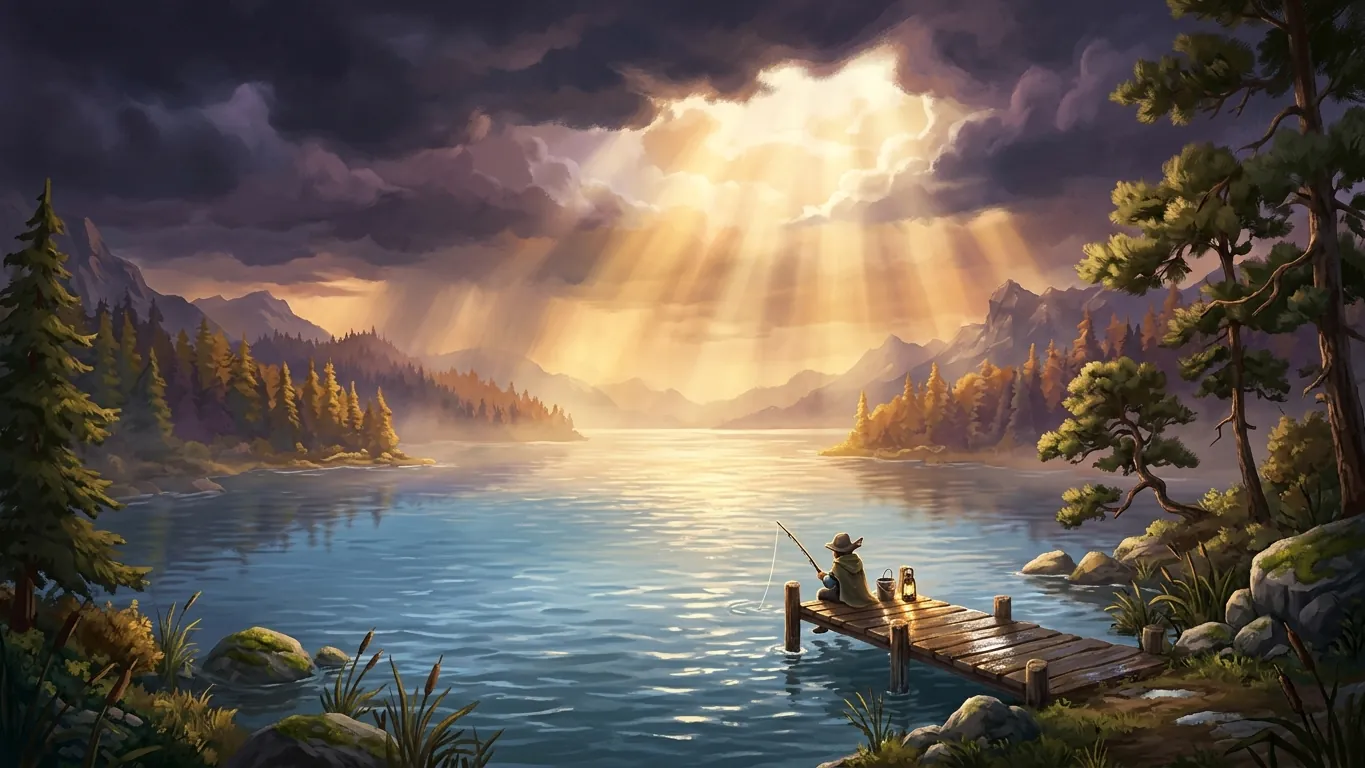 How Weather and Light Shape a Fishing Journey
Explore how time of day, weather and changing light affect the mood of your trips in Call of the Wild: The Angler, and how to plan around them.
Read more
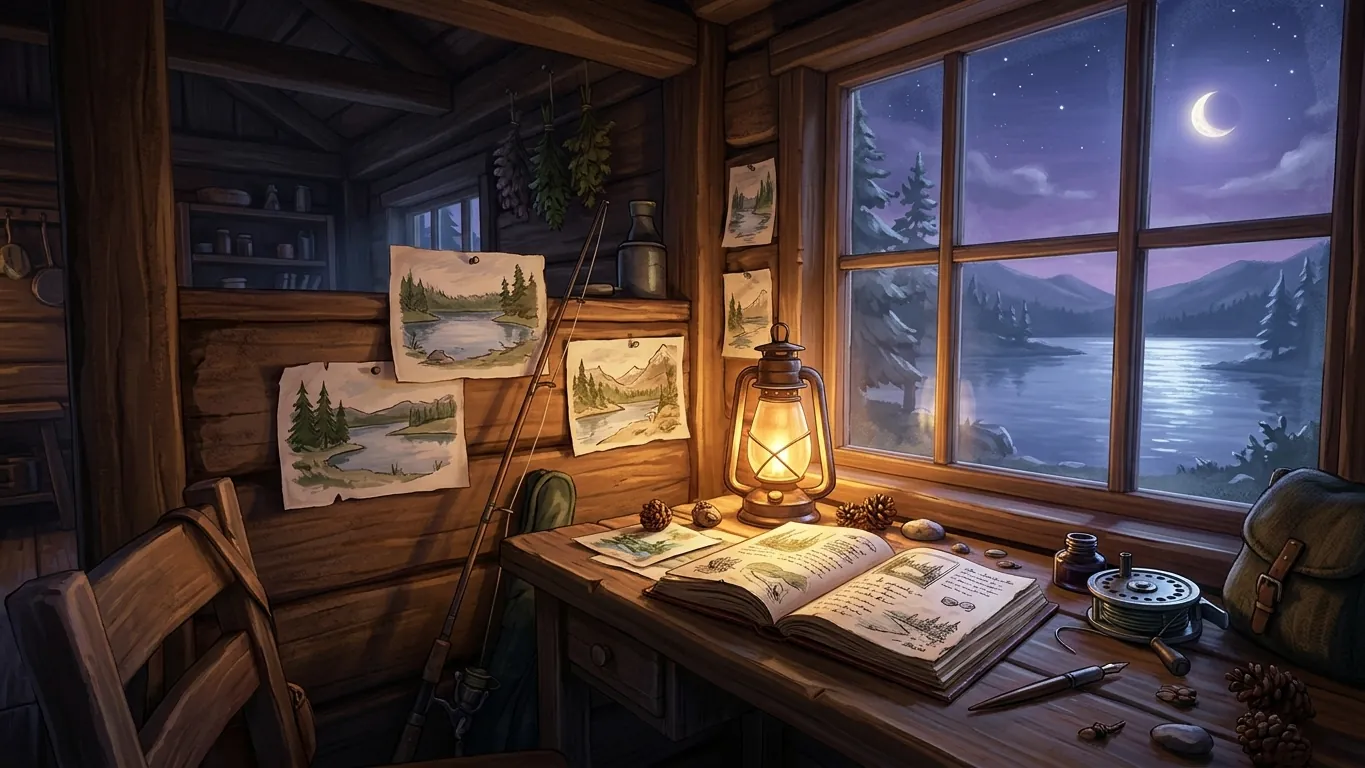 Keeping a Travel Journal for Your Angler Trips
Turn your sessions in Call of the Wild: The Angler into lasting memories with a simple travel journal, screenshot postcards and personal notes.
Read more
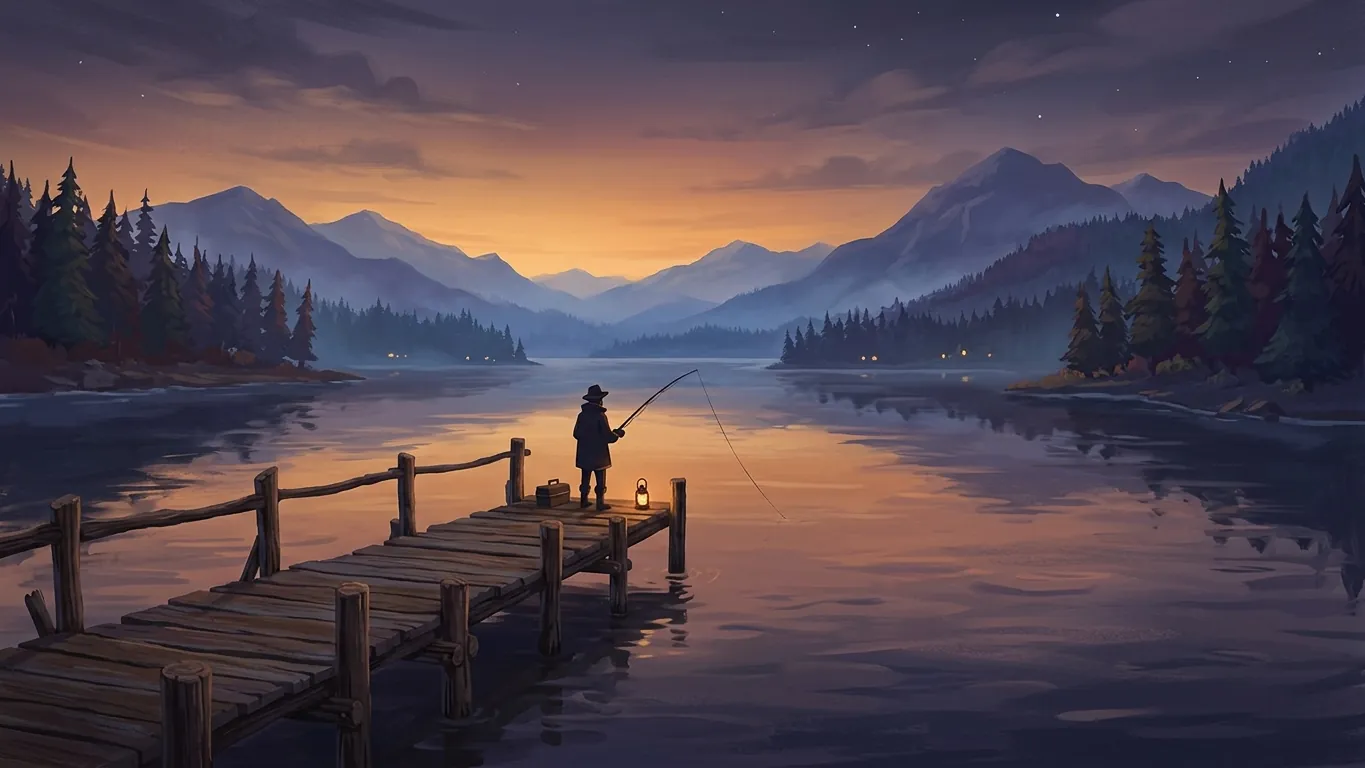 Why Virtual Fishing Feels Like Real Travel
An opinion piece on why slow, exploratory fishing in Call of the Wild: The Angler can feel surprisingly close to the experience of real travel.
Read more