Where you went
Note the lake, river or area and roughly how you got there, so you can find it again.
Writing a few lines after each session can turn a series of fishing trips into a real travel story. Here is a simple way to start your own journal.
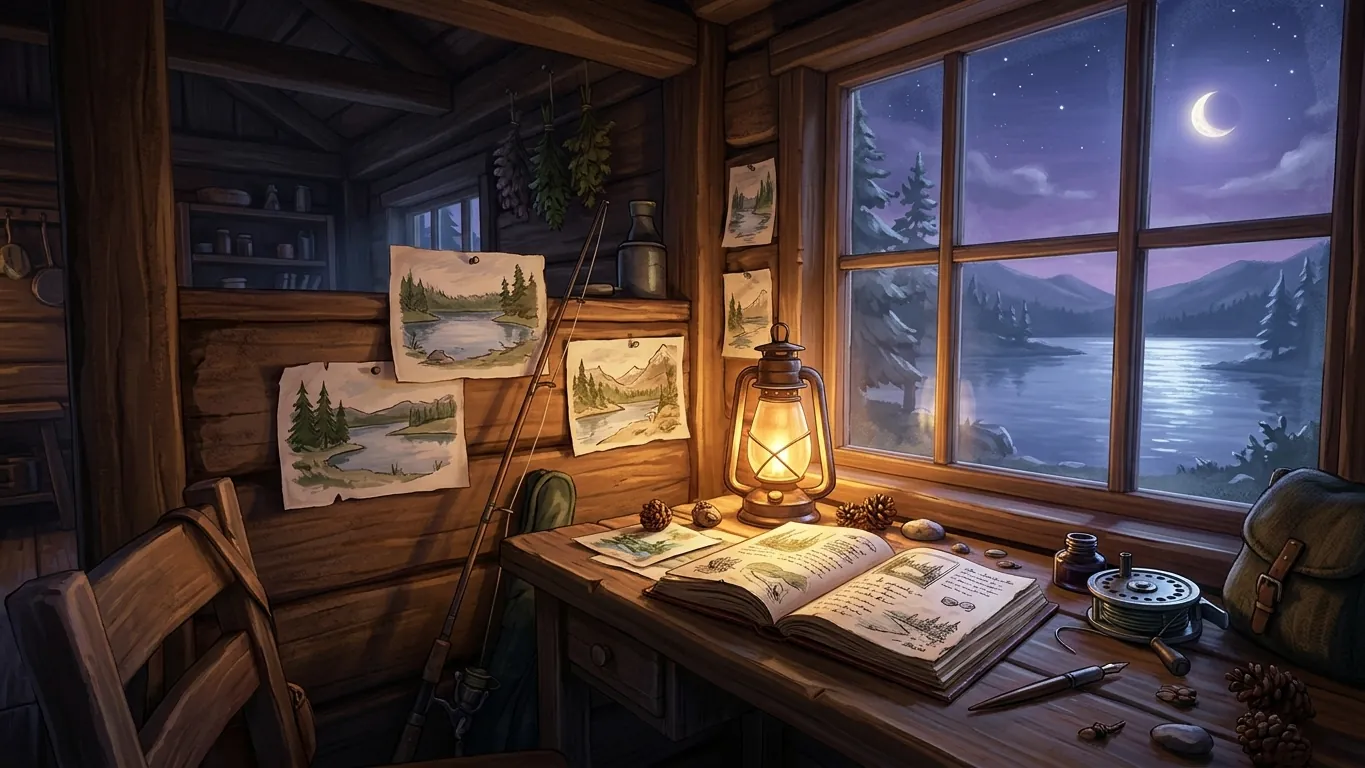
When you travel in the real world, memories fade quickly unless you capture them somehow. The same is true for virtual journeys. After a few weeks of play, sessions can blur together, and that wonderful bend in the river you found last month becomes hard to locate.
A travel journal solves this in a simple way. It gives your play a sense of continuity and turns individual sessions into chapters. It also encourages you to notice more while you play, because you know you will want to write about it later. You do not need to be a writer. A few honest lines are enough.
Keep it light. These are suggestions rather than a form to fill in.
Note the lake, river or area and roughly how you got there, so you can find it again.
Write down whether it was morning, evening, misty, rainy or clear. Conditions shape memories.
A view, a sound, an interesting bend in the water or a place you want to revisit.
Was the trip calm, challenging, surprising? A single word can bring the whole session back.
If you like taking screenshots, think of them as postcards from your trip. Instead of capturing every catch, look for images that tell you where you were and how it felt: a wide view over a valley, a boat at rest in a cove, a misty river at dawn. These pictures are often far more evocative months later than a simple record of what you caught.
Try to vary your shots. Take one wide panorama to show the landscape, one closer view of the water you fished, and perhaps one detail, such as your gear on a dock or the light on a ripple. Together, they create a small visual story. Keep them in a folder named after the trip, and you will have your own illustrated travel archive.
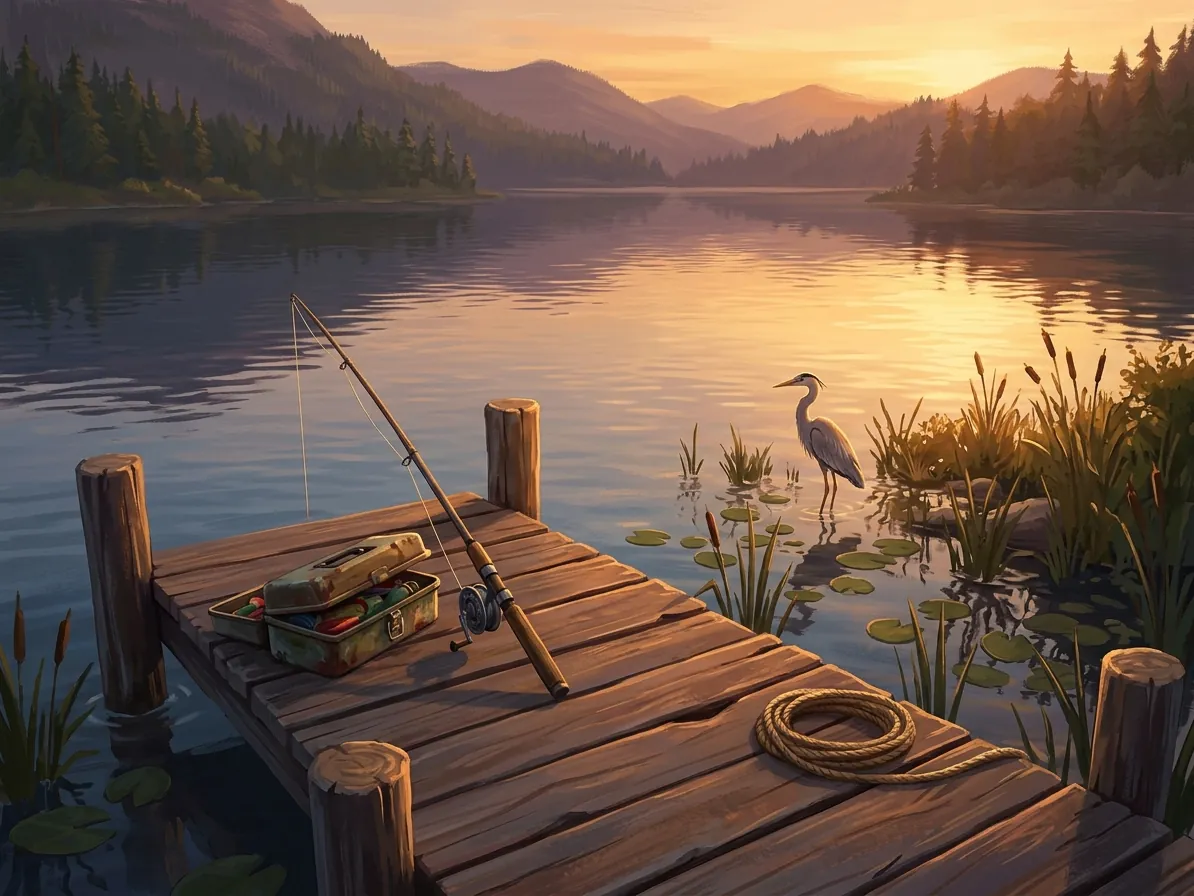
Your journal can live anywhere: a paper notebook, a document on your computer or a notes app. What matters is that it is easy to add to. A useful format is to give each entry a short title, the date you played, a sentence or two about where you went, and a line about anything that stood out.
For example, you might write something like: an evening walk following a small creek down to a larger lake, light rain, found a sheltered cove with tall pines on the far shore, want to return in the morning. That is enough to help you remember the trip and plan the next one.
If you enjoy drawing, add rough sketches of the shoreline or the route you took. They do not need to be accurate. A simple outline of a lake with an arrow showing your path can be surprisingly helpful.
One of the quiet joys of keeping a journal is reading it back. Looking through old entries reminds you of places you have forgotten and sparks ideas for new trips. You might notice that you always enjoy forest rivers more than open lakes, or that your favourite memories come from misty mornings. Those patterns can shape how you plan future sessions.
Your journal can also guide return visits. If you once wrote that a spot would look beautiful at sunset, go back and see. Comparing your new impressions with the old ones is a little like returning to a holiday destination years later.
Most of all, a journal reminds you that your time in the game is a series of journeys, each with its own small story. It is a simple habit, but it can make your virtual travels feel far more meaningful.
 Why Virtual Fishing Feels Like Real Travel
An opinion piece on why slow, exploratory fishing in Call of the Wild: The Angler can feel surprisingly close to the experience of real travel.
Read more
 Planning a Multi-Session Fishing Route
Plan a fishing journey across several sessions in Call of the Wild: The Angler, with themes, step-by-step routes, gear ideas and room for detours.
Read more
 Your First Trip as a Traveling Angler
New to Call of the Wild: The Angler? Learn how to approach your first session as a relaxed journey, from basic rhythm to reading the map.
Read more