Colour changes
Shifts from light to dark water can suggest a change in depth along the shore or in open water.
Water tells a story if you know how to look. This article explains the basic features of rivers and lakes and how noticing them can make your trips richer and your choices more thoughtful.
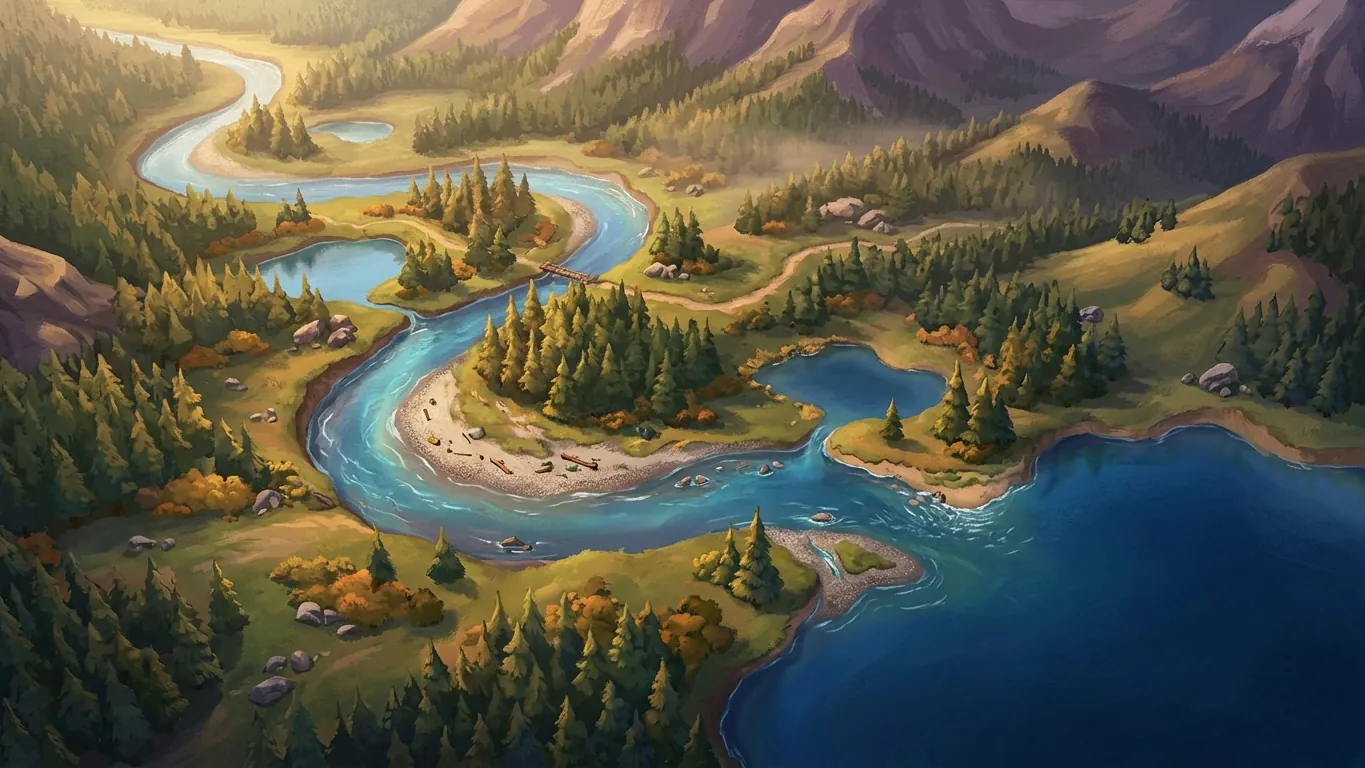
In a fishing game, it is tempting to treat every stretch of water as the same: cast anywhere and hope. But lakes and rivers have structure, and that structure shapes both the scenery and how fish might behave. Learning to read it is a bit like learning to read a landscape as a traveller. You start to understand why a valley looks the way it does, and you make choices based on what you see rather than on chance.
This article covers general ideas about water that many anglers find useful. The game has its own systems, so treat these as starting points for observation and test them during your own sessions.
A river is always moving, and the speed of that movement changes along its length. Fast, shallow sections tumble over rocks; slower, deeper sections gather in pools. Bends are especially interesting. On the outside of a bend, water usually runs faster and cuts deeper, while the inside tends to be slower and shallower, sometimes forming a gravel bar.
As you walk a river, notice where the surface changes texture. Smooth, darker water often hints at depth, while broken, bright ripples suggest shallow riffles. The point where a fast run slows into a pool is a natural place to pause and try a few casts. It is also often one of the most picturesque spots, with the sound of moving water and a calm surface to watch.
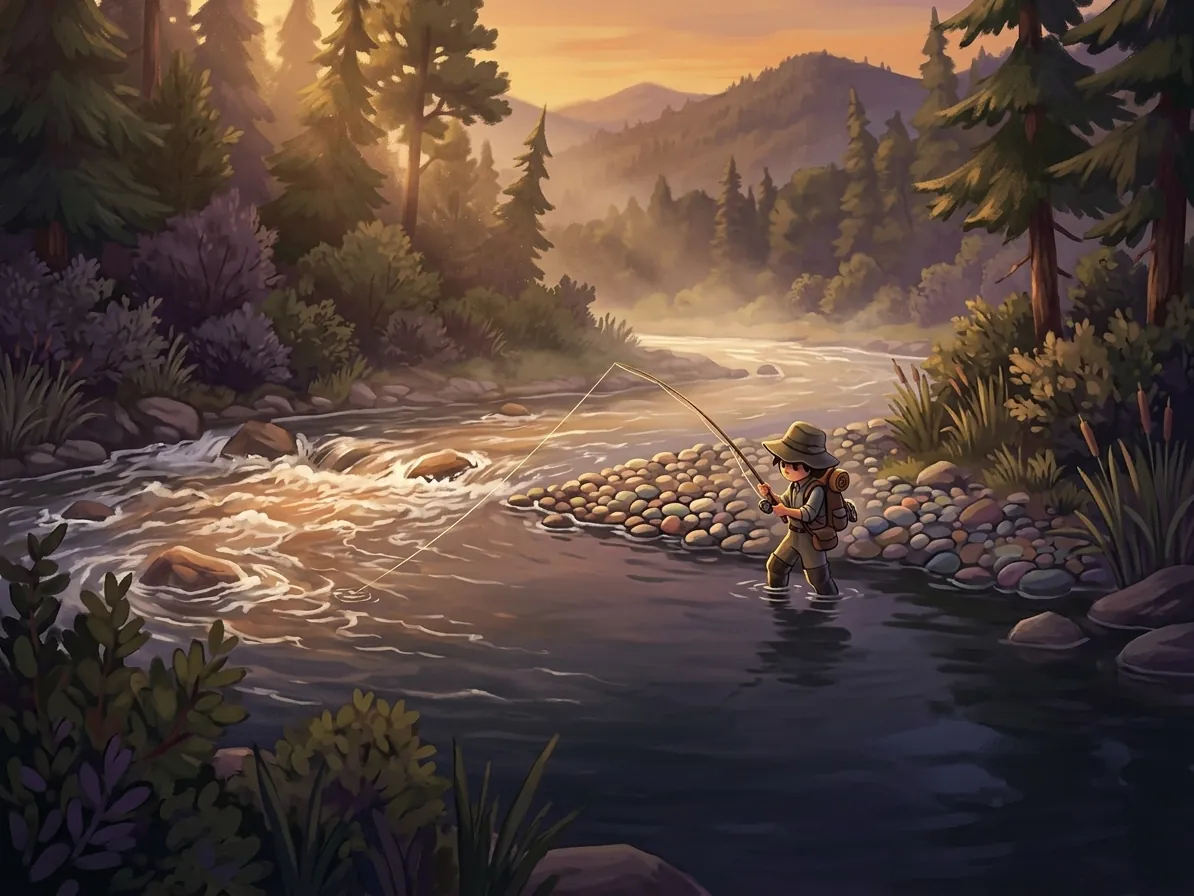
Lakes may look still, but they have their own shape beneath the surface. Near the shore, water is usually shallow, often with weeds, fallen trees or rocks. Further out, the bottom may slope gently or drop away quickly into deeper water. These transitions, often called drop-offs, are worth paying attention to.
From the shore, look for changes in colour. Lighter water often means shallows, and darker water usually means depth. Points of land, submerged logs and areas where streams enter all break up the uniform shoreline. If you have a boat, moving slowly across a lake lets you see these features from a new angle and helps you build a mental picture of the whole basin.
Keep these in mind as you travel. None of them are rules, but together they help you make more deliberate choices.
Shifts from light to dark water can suggest a change in depth along the shore or in open water.
Places where streams enter or leave a lake often change the shape and movement of the water nearby.
Fallen trees, rocks and weed beds break up the water and create varied spots to try.
Smooth, rippled or broken water each hint at different speeds and depths beneath.
Reading water is only useful if it shapes what you do next. When you arrive at a new spot, take a moment before casting. Ask yourself where the deeper water is, where the current slows, and where there is cover. Then choose two or three places to try instead of casting at random.
If something does not work, adjust. Move along the shore, try a different depth or switch to another feature you noticed. Over time, you will build an instinct for which kinds of places suit your style, and you will start to enjoy the process of reading the water as much as the moment a fish bites.
Most of all, remember that observation is a form of travel. The more closely you look at a river or lake, the more it reveals, and the more your sessions feel like journeys through a real, living landscape rather than a series of casts.
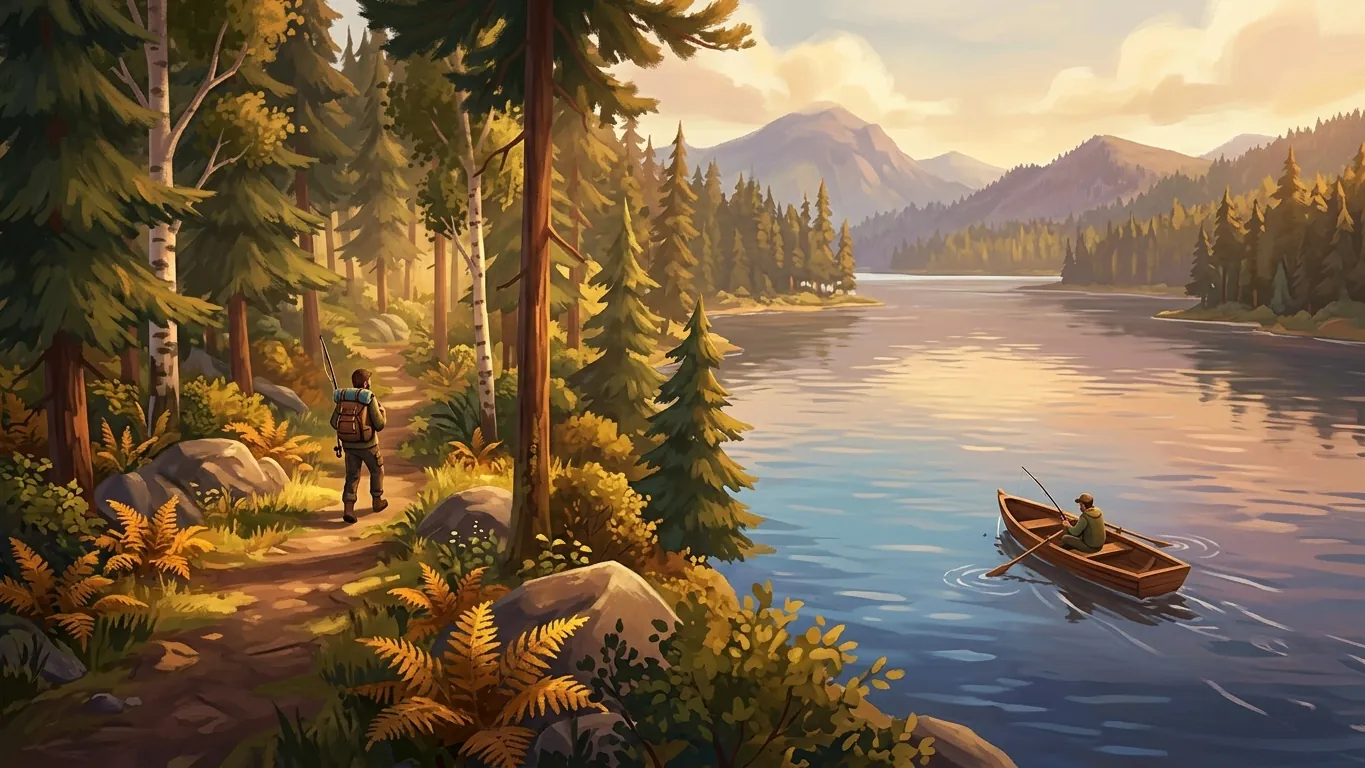 On Foot or by Boat: Two Ways to Explore
Compare exploring on foot and by boat in Call of the Wild: The Angler, and learn how mixing both can make your fishing trips feel like real journeys.
Read more
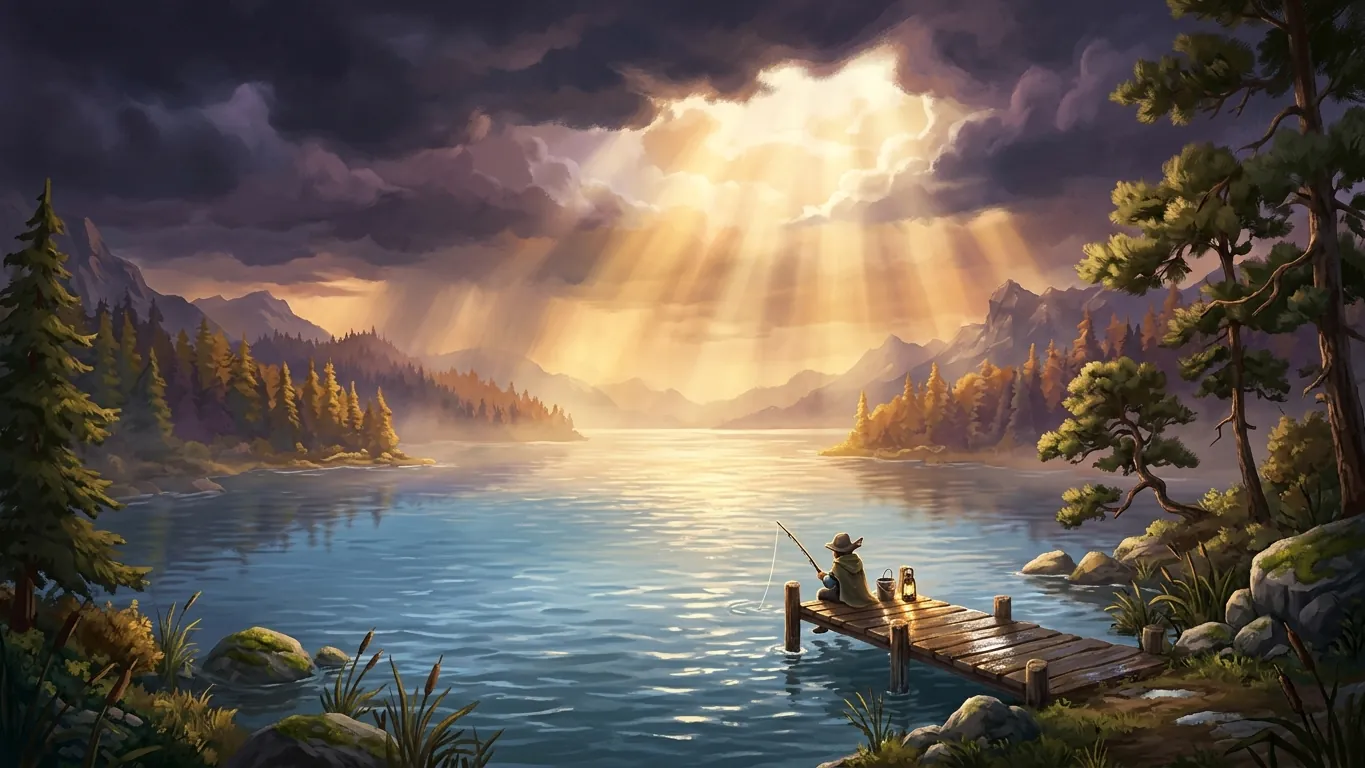 How Weather and Light Shape a Fishing Journey
Explore how time of day, weather and changing light affect the mood of your trips in Call of the Wild: The Angler, and how to plan around them.
Read more
 Keeping a Travel Journal for Your Angler Trips
Turn your sessions in Call of the Wild: The Angler into lasting memories with a simple travel journal, screenshot postcards and personal notes.
Read more